Blown-In vs Spray Foam vs Fiberglass Batts for Florida Homes
Choosing the right insulation types comparison shouldn't feel overwhelming, but with so many options available, homeowners often struggle to make confident decisions. The truth is, there's no universal "best" insulation—what works perfectly for one Central Florida home might not suit another.
At Silverback Insulation, we've installed thousands of insulation projects across Marion, Volusia, Lake, and Flagler Counties. Our 25 years of experience has taught us that the best insulation for the Florida climate depends on your specific situation, budget, and performance goals.
Let's break down the three main options so you can make an informed choice.
Understanding Florida's Unique Insulation Needs
Central Florida's climate demands more from insulation than cooler regions. Our long cooling season, high humidity levels, and intense summer heat create specific challenges. Effective insulation must resist moisture, prevent mold growth, maintain performance in heat, and seal against conditioned air loss.
The best insulation for Florida climate addresses these factors while delivering strong thermal performance. R-value matters, but air sealing capabilities and moisture resistance often matter more in our humid environment.
Spray Foam Insulation: Premium Performance
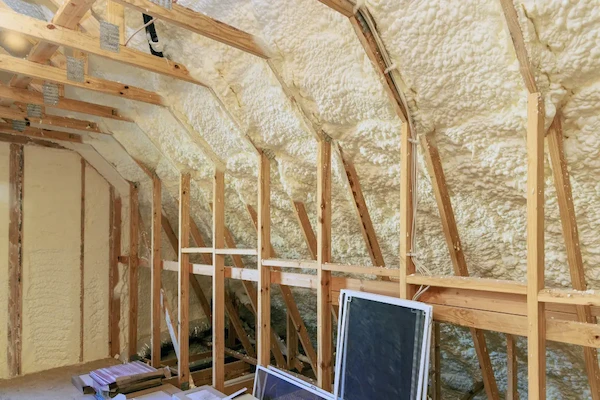
Spray foam insulation represents the gold standard for Florida homes. This material expands upon application, creating an airtight seal that blocks heat transfer and prevents moisture infiltration. Two types serve different needs and budgets.
Closed-Cell Spray Foam
Closed-cell spray foam offers the highest R-value per inch (around R-6 to R-7) and exceptional moisture resistance. It adds structural strength to walls and roofs while creating an impermeable vapor barrier. This premium option excels in humid climates and areas prone to moisture problems.
The main drawback? Cost. Closed-cell spray foam typically runs $3 to $7 per square foot installed, making it the most expensive insulation option. However, its superior performance and longevity often justify the investment for homeowners seeking maximum efficiency.
Open-Cell Spray Foam
Open-cell spray foam provides excellent insulation at lower cost ($1.50 to $3.50 per square foot). While it offers lower R-value (R-3.5 to R-4 per inch), it still delivers outstanding air sealing and sound dampening. It's particularly effective for interior applications and attic spaces.
Open-cell foam remains vapor-permeable, allowing some moisture movement. In most Central Florida applications, this isn't problematic when properly installed with adequate ventilation.
Fiberglass Batt Insulation: Budget-Friendly Standard
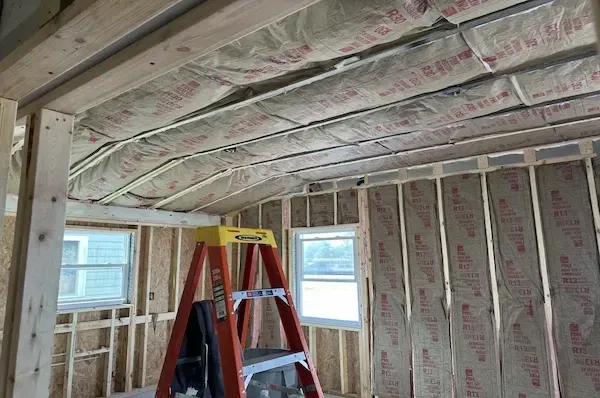
Fiberglass batt insulation remains popular for new construction and accessible retrofit locations. These pre-cut panels fit between standard wall studs and ceiling joists, making installation straightforward when framing allows.
Modern fiberglass batts include moisture-resistant facings and achieve R-values from R-11 to R-38 depending on thickness. They're fire-resistant, don't settle, and maintain properties in high humidity.
The limitation? Batts struggle with irregular spaces and don't seal air leaks effectively. They work best in new construction or areas with standard framing and minimal penetrations. Cost runs $0.50 to $1.50 per square foot installed.
Performance Comparison for Florida Homes
When evaluating insulation types comparison Florida scenarios, consider these key factors:
Air Sealing: Spray foam wins decisively, creating complete air barriers. Blown-in materials fill voids well but don't seal penetrations. Batts provide minimal air sealing.
Moisture Resistance: Closed-cell spray foam offers superior moisture blocking. Fiberglass resists moisture well. Open-cell foam handle moisture adequately when properly ventilated.
R-Value Efficiency: Closed-cell spray foam delivers highest R-value per inch. Open-cell foam provides moderate R-values. Fiberglass requires more depth for equivalent performance.
Cost Value: Batts offer lowest upfront cost. Blown-in insulation provides good value for retrofit projects. Spray foam costs most but delivers premium long-term performance.
Making the Right Choice for Your Project
The best insulation for the Florida climate in your specific situation depends on several factors. Budget-conscious retrofits often benefit from blown-in or fiberglass. New construction with standard framing can use cost-effective batts with proper air sealing. Premium projects prioritizing maximum efficiency and moisture control justify spray foam investment.
At Silverback Insulation, we assess your home's unique conditions, discuss your priorities, and recommend solutions matching your needs. We don't push the most expensive option—we find the right balance of performance and value.
Trust Silverback Insulation for Expert Installation
Insulation performance depends heavily on proper installation. Poor technique undermines even premium materials. Our licensed and insured team brings 25+ years of expertise to every project, ensuring your investment delivers promised results.
Whether you choose spray foam insulation, blown-in materials, or fiberglass batts, local’s go-to insulation contractors, we install it right the first time.
We serve Central and Northeast Florida, including Ocala, The Villages, DeLand, Daytona Beach, Palm Coast, and surrounding areas across Marion, Volusia, Lake, and Flagler Counties. with quality workmanship you can trust.
Ready to upgrade your home's insulation?
Call Silverback Insulation at (352) 235-9992 for your free consultation. We'll evaluate your property, explain your options, and provide transparent pricing—helping you make the confident choice for your home.
FREQUENTLY ASKED QUESTIONS
Which insulation type is best for Florida's humid climate?
Closed-cell spray foam offers the best moisture resistance and performance in humid conditions, though blown-in fiberglass also work well. The best choice depends on your specific location, budget, and application area.
How do I choose between blown-in and spray foam insulation?
Consider your budget, performance requirements, and project scope. Spray foam costs more but provides superior air sealing and R-value per inch, while blown-in offers excellent value for attic retrofits. Silverback Insulation can assess your situation and recommend the most cost-effective solution.
Is fiberglass batt insulation sufficient for Florida homes?
Fiberglass batts work well in new construction with proper air sealing but aren't ideal for retrofits or irregular spaces. Combined with thorough air sealing, quality batts can deliver good performance at lower cost than other options.
Can I mix different insulation types in my home?
Yes, using different insulation types in various areas is common and often recommended—spray foam for rim joists and walls, blown-in for attics, for example. Each material performs best in specific applications.
How long does each insulation type last in Florida?
Spray foam lasts 80+ years without degrading, fiberglass batt maintains performance for 20-30 years, and fiberglass batts last indefinitely if kept dry and undisturbed. All types should be inspected periodically for damage or moisture issues.
Articles you might be interested in
